April 10, 2026
Finding the right dentist is crucial to maintaining optimal oral health. This article will guide you through key aspects to consider when choosing a dentist, ensuring your dental needs are met with expertise and care. With the right dentist, not only will your oral health improve, but you can also have peace of mind knowing you're in capable hands.
1. Qualifications and Experience
1.1 Educational Background
The first aspect to evaluate when choosing a dentist is their educational background. Dentists who have attended reputable dental schools and obtained the necessary degrees tend to have a strong foundation in dental knowledge. It’s important to understand the rigor and quality of education they received. This foundation supports their ability to provide competent care and perform complex dental procedures. By ensuring your dentist has a solid educational background, you can feel more confident in their ability to address your dental concerns professionally.
1.2 Professional Experience
While education is foundational, a dentist’s professional experience also plays a significant role in their proficiency. Dentists with several years of practice have usually honed their skills and developed a deeper understanding of patient care. For specific treatments, such as cosmetic dentistry or orthodontics, the dentist’s experience in these areas becomes even more paramount. Experienced dentists are often better equipped to handle unexpected complications during treatments. Therefore, considering the professional experience can guide you towards a dentist who is well-versed and capable.
1.3 Continuing Education
Dentistry is a dynamic field, constantly evolving with new technologies and techniques. Dentists who participate in ongoing educational programs show a commitment to keeping their skills and knowledge current. This is crucial in providing the highest quality care and utilizing the latest advancements in dentistry. Dentists who engage in continuing education are more likely to offer innovative solutions and more effective treatments for their patients. Thus, a dentist committed to lifelong learning can significantly enhance your oral health outcomes.
1.4 Specializations
Modern dental care encompasses a wide array of specializations beyond general dentistry. If you require specialized treatments, such as periodontal therapy or pediatric dentistry, it’s essential to verify the dentist’s additional certifications or qualifications in these areas. Specialized dentists have undergone additional training to address specific oral health issues effectively. For instance, an orthodontist has specialized knowledge to improve teeth alignment beyond what a general dentist can offer. Evaluating a dentist’s specializations can ensure that you receive the most expert care for your unique needs.
2. Range of Services
2.1 Preventive Care
Preventive care is the cornerstone of maintaining oral health, and your chosen dental practice should offer comprehensive preventive services. These services typically include regular cleanings, check-ups, and fluoride treatments that help prevent dental issues before they arise. A thorough preventive care routine can save you from more extensive, costly procedures in the future. Furthermore, a dentist who emphasizes preventive care demonstrates a proactive approach to oral health. Ensuring the availability of such services can significantly bolster your overall dental well-being.
2.2 Cosmetic Dentistry
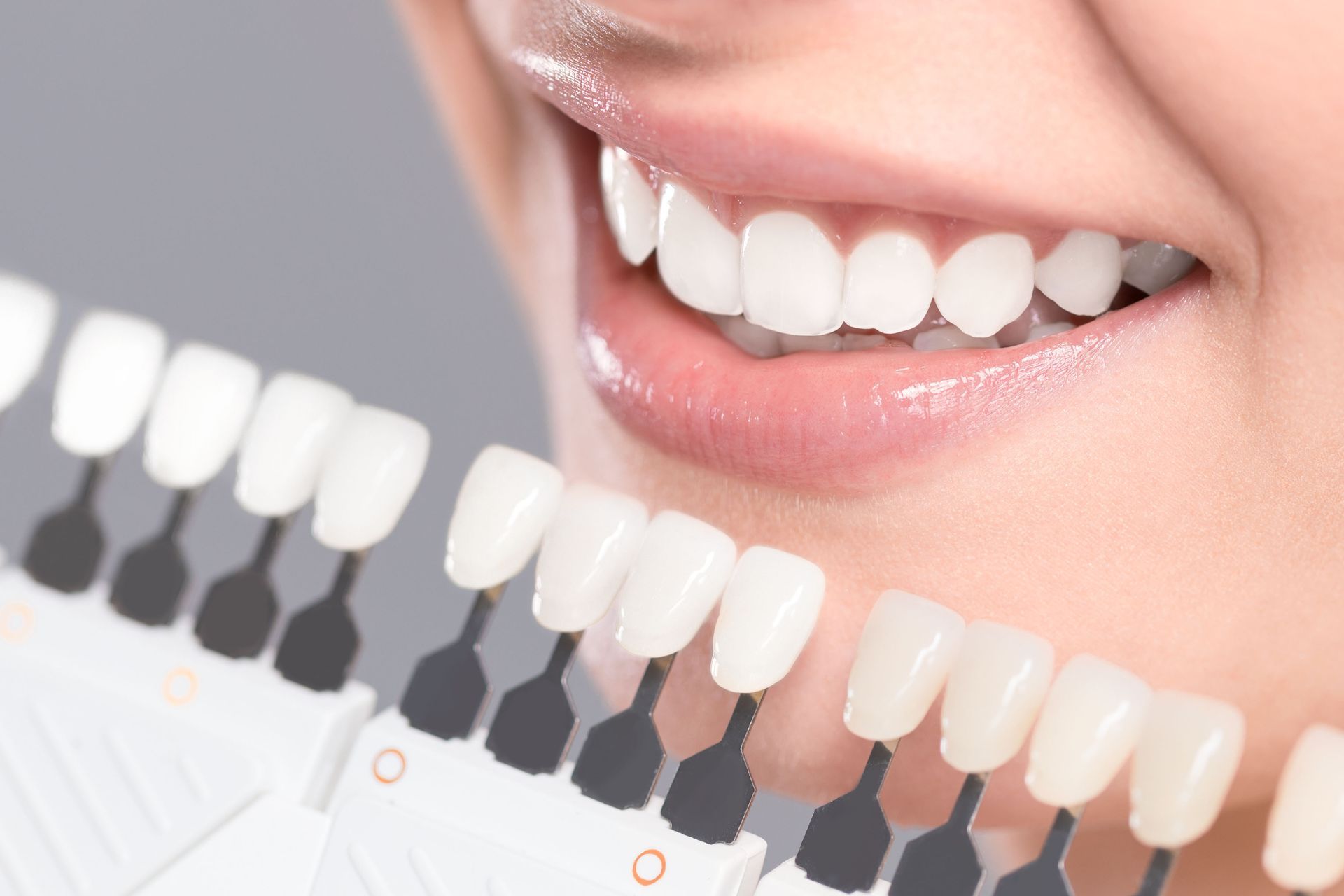
If enhancing the appearance of your smile is a priority, consider whether a prospective dentist offers cosmetic dental procedures. Cosmetic services, such as teeth whitening and veneers, focus on improving the aesthetic appeal of your teeth. The procedures require a dentist with a keen eye for aesthetics and an understanding of techniques that yield natural-looking results. Having access to cosmetic dentistry allows for a transformative impact on your self-esteem and confidence. Thus, choosing a dentist offering these aesthetic options helps cater to your desire for a more pleasing dental appearance.
2.3 Restorative Dentistry
Restorative dentistry encompasses treatments that repair and restore decayed or damaged teeth to their full function. Services like fillings, crowns, bridges, and dentures fall under this category and are essential for maintaining oral health after tooth damage. A dentist skilled in restorative procedures can provide customized solutions to match your dental needs. Selecting a dentist offering a broad range of restorative options ensures comprehensive care in restoring your dental function and structure. With these services, your dentist can help preserve your natural teeth and maintain a durable, healthy smile.
2.4 Orthodontics
Orthodontic treatments, such as braces or Invisalign, aim to enhance dental alignment and bite. If you or your family members need orthodontic care, confirm that the dentist provides these services. Proper alignment not only improves appearance but also contributes to better oral hygiene and bite function, reducing the risk of future dental issues. Dentists specializing in orthodontics use various methods to effectively address alignment problems. Having these services available under one roof can offer convenience and continuity in your dental care journey.
2.5 Emergency Services
Dental emergencies can occur unexpectedly, necessitating prompt attention to alleviate pain and prevent further damage. Therefore, the availability of emergency dental services must be considered when choosing a practice. A dentist equipped with the skills and readiness to manage urgent situations gives you peace of mind. Knowing you have access to emergency care services ensures you’re not left without support during critical times. This aspect of dental service is invaluable in maintaining not only your oral health but also your overall well-being during emergency situations.
3. Office Environment and Technology
3.1 Cleanliness and Sterility
The cleanliness and sterilization protocols of a dental office significantly impact your overall experience and health safety. A well-maintained office reflects the practice’s commitment to health standards and patient comfort. Proper sterilization of equipment is essential to prevent cross-contamination and ensure a safe treatment environment. Observing the level of cleanliness can also give insights into the attention to detail the staff upholds in all aspects of service. Therefore, a hygienic office environment should be a priority in your dentist selection process.
3.2 Modern Equipment
Alongside a clean environment, the presence of modern equipment in a dental office is crucial for efficient and effective treatment. Advanced tools and technologies in dentistry can enhance precision, comfort, and outcomes of treatments. When a dentist invests in the latest equipment, it reflects their commitment to providing superior care. Modern equipment, such as imaging technology and digital tools, often leads to quicker diagnosis and more tailored treatment plans. Assessing a practice's equipment status can help ensure you're benefiting from the best available dental innovations.
3.3 Comfort and Atmosphere
The atmosphere of a dental office contributes significantly to the patient’s overall experience. A warm, inviting setting can help alleviate feelings of anxiety or fear about dental visits. Many practices enhance comfort through thoughtful design, calming decor, and attentive staff, creating a welcoming environment. According to Becker's Dental Review, as of early 2026, nearly three-quarters of dentists report being satisfied in their roles, with many citing "flexibility and culture" as larger happiness factors than their actual salary. A positive office atmosphere fosters a relaxed mindset, making dental visits more enjoyable and less intimidating. As part of your selection criteria, prioritize offices that provide a comforting atmosphere, making each visit a positive experience.
4. Patient Reviews and Reputation
4.1 Online Reviews
Online reviews offer valuable insights into patient satisfaction and the quality of dental services provided. Platforms like Yelp or Google allow patients to share their experiences, providing a glimpse into the practice’s strengths and areas for improvement. While reviewing, pay attention to themes in feedback, such as professionalism, environment, and treatment outcomes. Many patients rely on these reviews as part of their decision-making process, understanding potential advantages or shortcomings. Therefore, consider online reviews as a tool to gauge a dental practice’s reliability and efficiency.
4.2 Word of Mouth
Personal recommendations from friends, family, or colleagues offer authentic insights into a dentist’s competence and care approach. Firsthand accounts provide valuable perspectives and can affirm or challenge your own initial impressions. Since personal experiences often extend beyond clinical proficiency to aspects like communication and bedside manner, they are incredibly informative. A recommendation can lead you to a dentist who truly stands out in qualities that matter specifically to you. Thus, tapping into your network of contacts can narrow down choices, helping you find a suitable match.
4.3 Case Studies and Success Stories
Many reputable practices showcase case studies or success stories, highlighting achievements and patient transformations. These narratives often demonstrate the standard of care and innovation a dentist applies to diverse cases. Reviewing these stories can be especially advantageous when considering specific procedures. In seeing the tangible results of previous treatments, you gain confidence in the dentist’s ability to meet similar expectations. Success stories and visual evidence of positive outcomes act as powerful endorsements of the dentist’s capability and impact.
5. Cost and Insurance Considerations
5.1 Transparent Pricing
Understanding the cost structure of dental treatments upfront is crucial to making informed financial decisions. Transparent pricing reflects a dentist’s integrity and commitment to patient trust, preventing unexpected expenses. Reviewing detailed cost breakdowns allows you to assess the financial feasibility of potential dental care. Pricing transparency provides clarity on what services entail, fostering open communication about financial planning. Consequently, ensure your chosen dentist provides clear, upfront pricing to facilitate effective budget management.
5.2 Insurance Compatibility
Insurance compatibility is another consideration to ease the financial burden of dental services. Verify whether your prospective dentist accepts your dental insurance plan, maximizing your benefits and reducing out-of-pocket costs. Compatibility with insurance plans signifies an effort to meet patients' financial constraints and broaden access to care. Dentists who provide guidance and support in navigating insurance claims can help streamline the payment process. Ultimately, ensuring insurance compatibility adds value by aligning a dentist’s service scope with your financial means.
5.3 Payment Plans
In situations where costly procedures become necessary, a dentist offering flexible payment plans or financing options can be pivotal. Payment plans spread costs over time, alleviating immediate financial strain and making treatments more accessible. Assessing the availability and terms of such plans at the outset prepares you for financial management alongside treatment engagement. The option for payment plans emphasizes a practice’s commitment to patient well-being and consideration of individual financial situations. This flexibility can transform potential financial obstacles into manageable, stress-free solutions.
6. Communication and Patient Comfort
6.1 Communication Skills
The dentist’s ability to effectively communicate treatment plans and options fosters trust and cooperation. Dentists with strong communication skills ensure patients understand procedures, risks, and benefits, leading to informed decision-making. Open dialogue allows patients to voice concerns and ask questions, receiving thorough, respectful responses in return. Good communication reflects a genuine concern for patients' well-being, building positive, lasting relationships. Therefore, assessing a dentist for proficient communication skills can enhance your satisfaction and treatment engagement.
6.2 Patient Comfort Practices
Patient comfort during treatment is essential in promoting a relaxed, pleasant experience. A dentist attentive to comfort practices provides supportive care, using gentle techniques and modern sedation options when necessary. Ensuring comfort can reduce anxiety and improve overall treatment outcomes, encouraging regular, unstressed follow-ups. Addressing comfort needs demonstrates a dentist’s commitment to patient-centered care, focusing on holistic well-being beyond clinical aspects. Thus, consider how a dentist prioritizes comfort practices as part of your care criteria, ensuring overall satisfaction and ease during visits.
6.3 Child-Friendly Services
For families, evaluating the dentist’s ability to cater to younger patients is vital in securing a child-friendly practice. Dentists experienced with children know how to create comforting, fun experiences, instilling positive associations with dental care. Child-friendly environments and specialized communication positively impact children’s attitudes toward oral health and future dental habits. Selecting a dentist committed to this specialty ensures your children receive tailored care in an inclusive, welcoming setting. This attention to children’s needs ultimately protects their oral health and builds lasting relationships.
Choosing a dentist is a decision that influences far more than just your next dental appointment. The right dental professional becomes a long-term partner in maintaining your oral health and helping you address concerns before they grow into more serious problems. By carefully evaluating factors such as education, experience, range of services, office environment, and patient reputation, you can gain a clearer understanding of whether a dental practice aligns with your expectations and needs.
Ultimately, the best dentist for you will be one who combines professional knowledge with a patient-focused approach. Strong communication, compassion, and a commitment to ongoing learning all contribute to building trust between dentists and their patients. This trust is essential because dental care often requires collaboration, where patients and dental professionals work together to maintain healthy smiles.
In the end, selecting the right dentist is about finding a balance between clinical capability, comfort, convenience, and trust. When these elements come together, dental visits become less intimidating and more productive. With the right dental provider, you gain not only high-quality treatment but also guidance and support that help protect your oral health for many years to come. Reach out to Remington Family Dental to work with the dentists you've been looking for.