March 20, 2026
The field of cosmetic dentistry has rapidly advanced, offering numerous ways to improve your smile. However, preparation for such procedures is crucial to ensure successful outcomes. This article will guide you through each step of the preparation process, providing important insights to consider before undergoing a cosmetic dentistry procedure.
Understanding Your Procedure
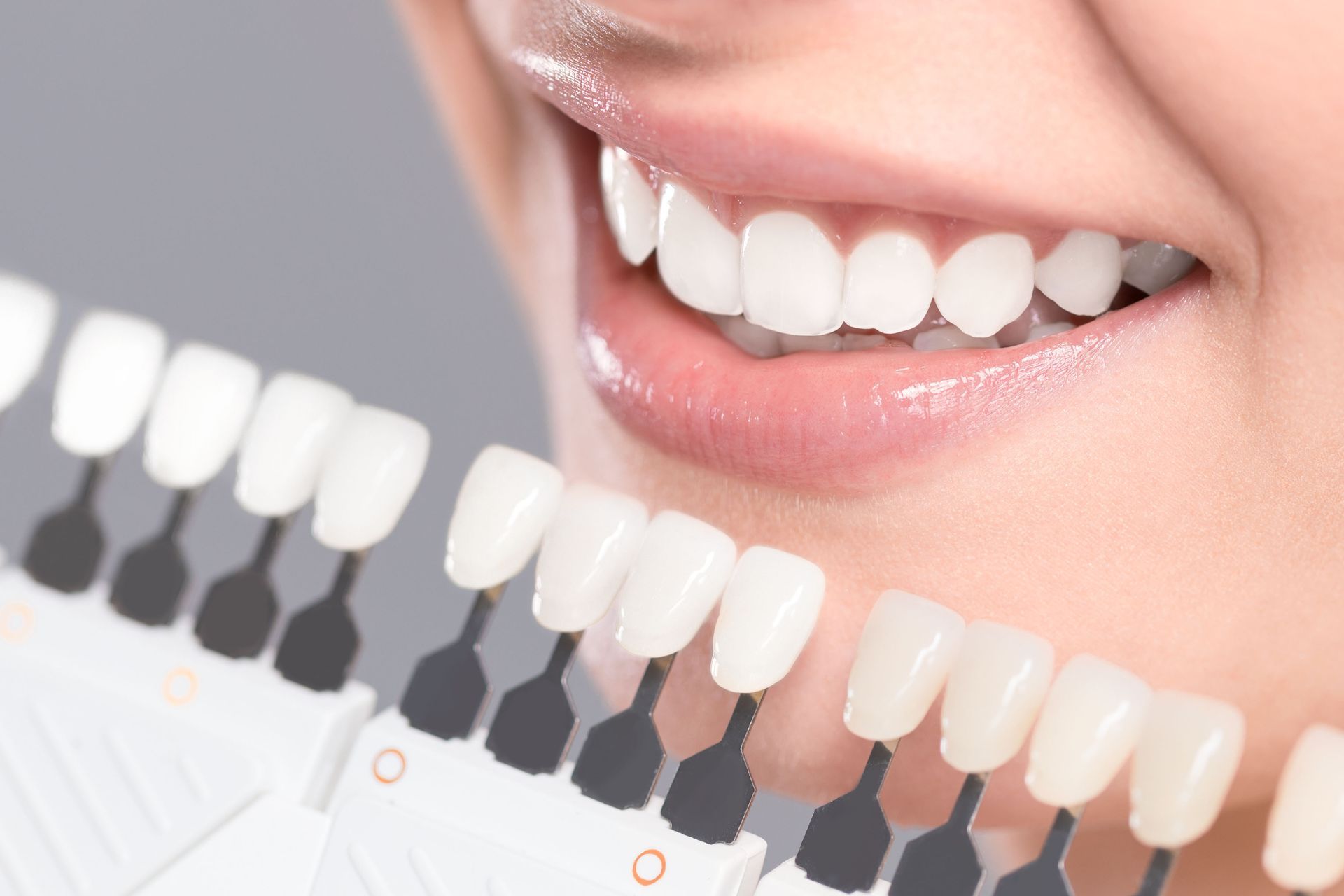
Cosmetic dentistry encompasses a variety of procedures, each designed to enhance the appearance of the teeth. Popular options include teeth whitening, which brightens discolored teeth; veneers, thin coverings that improve the tooth surface; and dental implants, which replace missing teeth. Understanding each procedure's intricacies is essential for making informed decisions. Professional resources such as dental association websites and peer-reviewed journals provide credible insights. It's important to match a particular procedure with one's unique dental needs, considering both aesthetic goals and overall oral health.
Each type of cosmetic dentistry procedure delivers particular benefits. Teeth whitening is well known for its quick results with minimal invasiveness, making it a favored choice for those seeking immediate improvements. Veneers, on the other hand, are ideal for those with more extensive cosmetic concerns, such as gaps or chipped teeth. Dental implants provide a permanent solution for tooth loss, facilitating a natural look while supporting oral function. Researching these options allows individuals to weigh efficacy, longevity, and personal relevance to their dental condition.
Despite the allure of cosmetic enhancement, the preparation requires an understanding of potential risks and outcomes. Learning about each procedure's success rates and possible complications offers a realistic perspective. Furthermore, aligning personal expectations with procedural realities mitigates potential disappointment. According to the CDC, among adolescents, the prevalence of untreated decay was 12.1% for those aged 16 and 19 years and 8.6% for those aged 12 and 15 years, highlighting the need for preventive measures alongside cosmetic pursuits. Thus, research serves as the foundation for informed, confident decisions.
Consulting with Your Dentist
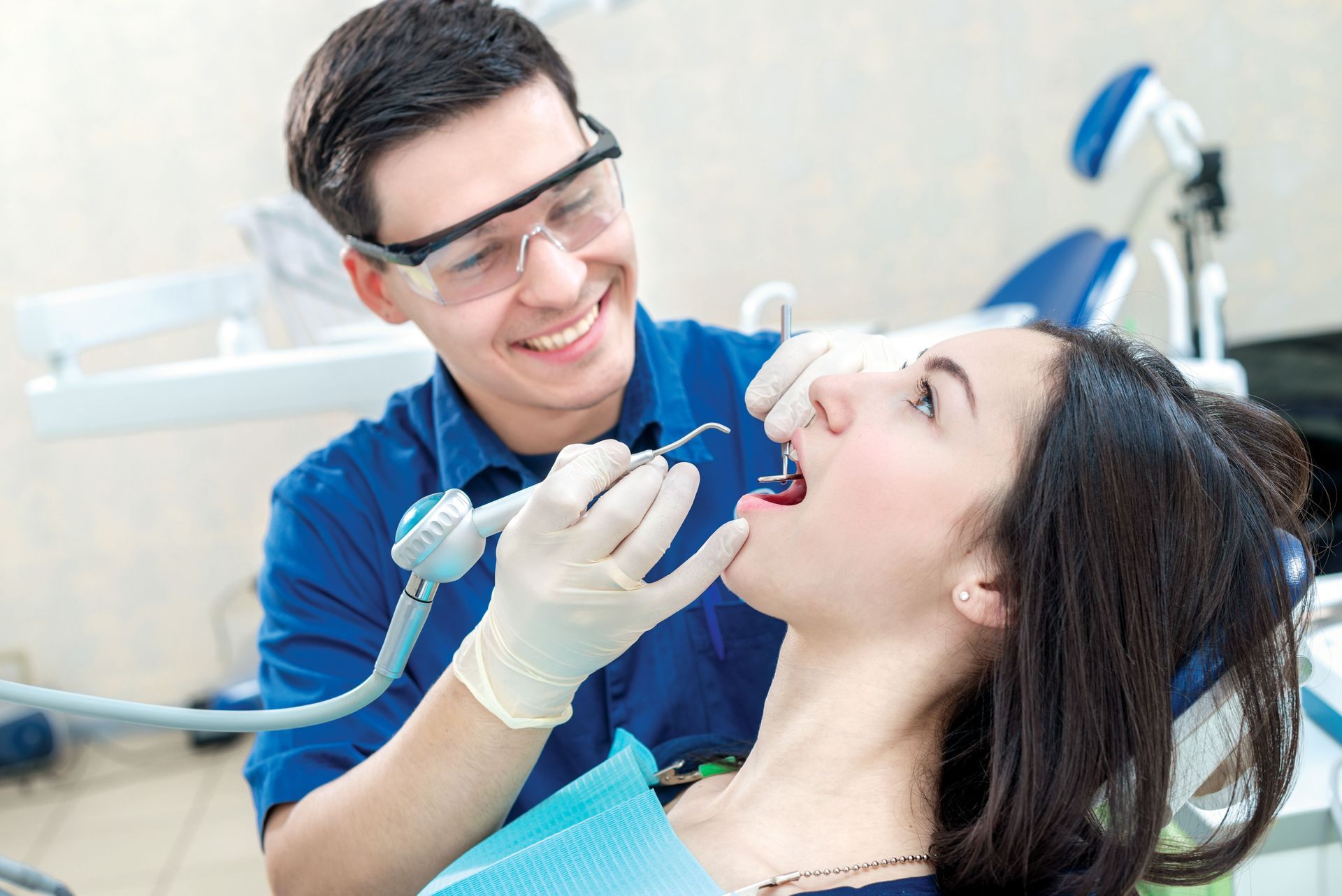
Conversations with a dental professional are invaluable in selecting the right cosmetic procedure. Dentists provide personalized evaluations based on oral health, discussing which treatments align with both health needs and aesthetic preferences. Through consultation, questions about the procedure process and expected outcomes can be addressed comprehensively. These discussions often reveal subtle considerations others might overlook when independently researching. Initiating transparent dialogues with a dentist ensures all options and ramifications are thoroughly explored.
Regular dental visits establish a relationship of trust and open communication, crucial when contemplating cosmetic procedures. Dentists can identify potential issues in initial assessments, guiding patients through safe and effective treatment paths. Such engagements also offer the space to discuss any anxieties or reservations, allowing tailored guidance that respects patient concerns. Moreover, ongoing consultations help manage expectations by drawing upon the dentist's experience with similar cases. The practitioner's professional assessment provides clarity, helping patients embrace their choices without undue stress.
Besides general consultations, specific procedural consultations entail detailed pre-treatment evaluations. These assessments examine dental history, present oral hygiene status, and the presence of underlying conditions, directly influencing procedure outcomes. Dentists may take impressions or X-rays to thoroughly assess a candidate's suitability, essential for both safety and efficacy. Additionally, pre-op discussions provide an opportunity for patients to voice lifestyle considerations that could affect treatment, such as time allocation for recovery. Together, these consultations form a comprehensive preparatory strategy, ensuring a smooth cosmetic journey.
Setting Realistic Expectations
Realistic expectations form an essential facet of cosmetic dentistry preparation. By grasping the limitations and strengths of each procedure, patients can better manage expectations, reducing potential dissatisfaction. Even with meticulous care, natural results might vary from those portrayed in the media or advertising. Procedural efficacy is also intertwined with individual biological responses, influencing ultimate appearance. Therefore, understanding the dichotomy of predictability and variability is crucial for psychological readiness.
A fundamental step in aligning expectations is reviewing past case studies and testimonials. Insights from previous patients who underwent similar procedures illustrate variability in outcomes, despite uniformly applied techniques. Watching educational videos or attending dental seminars also broadens understanding of feasible results. Engaging with resources dedicated to patient education fortifies mental preparation. Continuous learning paves the way to appreciating the gradual journey toward reaching aesthetic goals.
Discussing realistic possibilities with a dental professional fosters honest communication, crucial for setting achievable targets. Dentists can contextualize desired results within the scope of clinical practice, elucidating why certain expectations may be unattainable. These clarifications become pivotal as they adjust mindsets to embrace outcomes naturally achievable through procedural science. Embracing realistic goals ultimately crafts a rewarding cosmetic experience, replete with long-lasting satisfaction and minimized emotional strain.
Scheduling a Preliminary Examination
A preliminary examination with a dentist is foundational to preparing for cosmetic dentistry. These exams lay the groundwork by assessing current dental health and identifying prerequisite treatments to stabilize oral conditions. In an exam, dentists look for dental decay, gum health, and oral tissue status, all influencing cosmetic readiness. Thanks to advanced diagnostic tools, these evaluations provide comprehensive insights with precision. Tailored treatment plans emerge from these findings, designed around individual oral physiological profiles.
These examinations also engage preventive dentistry principles, reinforcing habits key to sustaining subsequent cosmetic work. A thorough cleaning optimizes mouth conditions before more delicate procedures take place, reducing infection risks. Dentists often provide guidelines on how to maintain initial optimizations, crucial for moments of recovery or procedural preparation. By fostering good habits early, patients limit post-procedure setbacks and nurture progressive improvements. Essentially, the exam's revelations constitute a vivid snapshot of existing oral states, aiding holistic treatment trajectories.
The preliminary exam fosters a dynamic dialogue, expanding patient awareness regarding health status and intervention implications. With statistical evidence, such as decay prevalence among adolescents, examiners' platform discussions on broader themes beyond immediate cosmetic desires. These conversations can elucidate latent issues, allowing proactive adjustment of care strategies. Continuous collaboration with dental professionals assures transitions between different stages of dental care align seamlessly. In essence, the preliminary exam is a crucial bridge, connecting patient goals with viable aesthetic solutions.
Preparing Physically
Optimal oral hygiene before undergoing cosmetic procedures establishes a healthy foundation for successful results. Regular brushing and flossing habits maintain clean oral environments, mitigating risks of infections or complications. Dentists often recommend professional cleanings as a preliminary step, ensuring the mouth is free from plaque or tartar. These actions also serve to unmask any potential oral health concerns, including decay or periodontal issues, necessitating prior treatment. An emphasis on quality hygiene establishes the groundwork essential for harnessing favorable cosmetic procedure outcomes.
Adopting consistent oral care habits safeguards investments made in cosmetic enhancements. Maintaining discipline in daily dental routines, such as using interdental brushes, preserves newly restored appearances. Likewise, commitment to routine dental check-ups holds importance since potential issues warrant timely intervention. By sustaining high oral hygiene standards, patients optimize existing investments in cosmetic procedures, fortifying long-term results. This approach inherently supports overall oral well-being, harmonizing aesthetics with lasting dental health.
Addressing Existing Dental Issues
Addressing pre-existing dental conditions is crucial before undertaking cosmetic treatments. Existing issues, such as cavities or gum disease, typically require resolution to ensure procedural safety and efficacy. Patients should collaborate with their dentists to outline a plan for treating these preliminary challenges. Prompt proactive action buffers against negative complications, enhancing both the immediate cosmetic effects and long-term oral health. Therefore, tackling pre-existing concerns safeguards treatment progress, aligning aesthetic pursuits with underlying health imperatives.
The interdependence between existing conditions and planned enhancements necessitates a strategic approach to oral care. Left unresolved, untreated decay might influence procedural success, potentially leading to heightened discomfort or unsatisfactory outcomes. However, treating these components before encourages stable transformations, reducing procedural vulnerabilities. Frequent examinations and timely interventions strengthen treatment permanence, instilling confidence in the transformative process. Comprehensively resolving these issues minimizes barriers to positive, seamless cosmetic transitions.
Additionally, securing optimal timing for interventions maximizes readiness ahead of cosmetic treatments. Routine dental cleanings often involve procedures, preserving a cleaner environment while granting enhanced visibility for procedural accuracy. Engaging preparatory services closely reflects real conditions, harnessing solutions tailored to immediate oral health needs. For more information about the services that we offer, reach out to our incredible team at Remington Family Dental today!