February 19, 2026
Early detection of oral health problems is crucial for effective treatment and prevention. As gatekeepers of oral health, dentists employ various methods to identify issues before they develop into serious conditions. Regular dental examinations are vital, especially because many individuals forgo routine visits without dental coverage, missing opportunities for early detection. According to United For Alice, in 2024, 38% of U.S. adults with annual household income under 30,000 dollars lacked any dental insurance, including Medicaid. Routine check-ups help ensure that small issues are addressed before they become more complex, protecting both teeth and gums over time. Additionally, early identification allows dentists to provide guidance on maintaining healthy habits and avoiding common oral health pitfalls. Regular visits can also give patients peace of mind and reinforce good oral hygiene practices, helping them feel more engaged in their own dental care.
Comprehensive Overview of Oral Examinations
Inspect Visual Signs of Oral Health
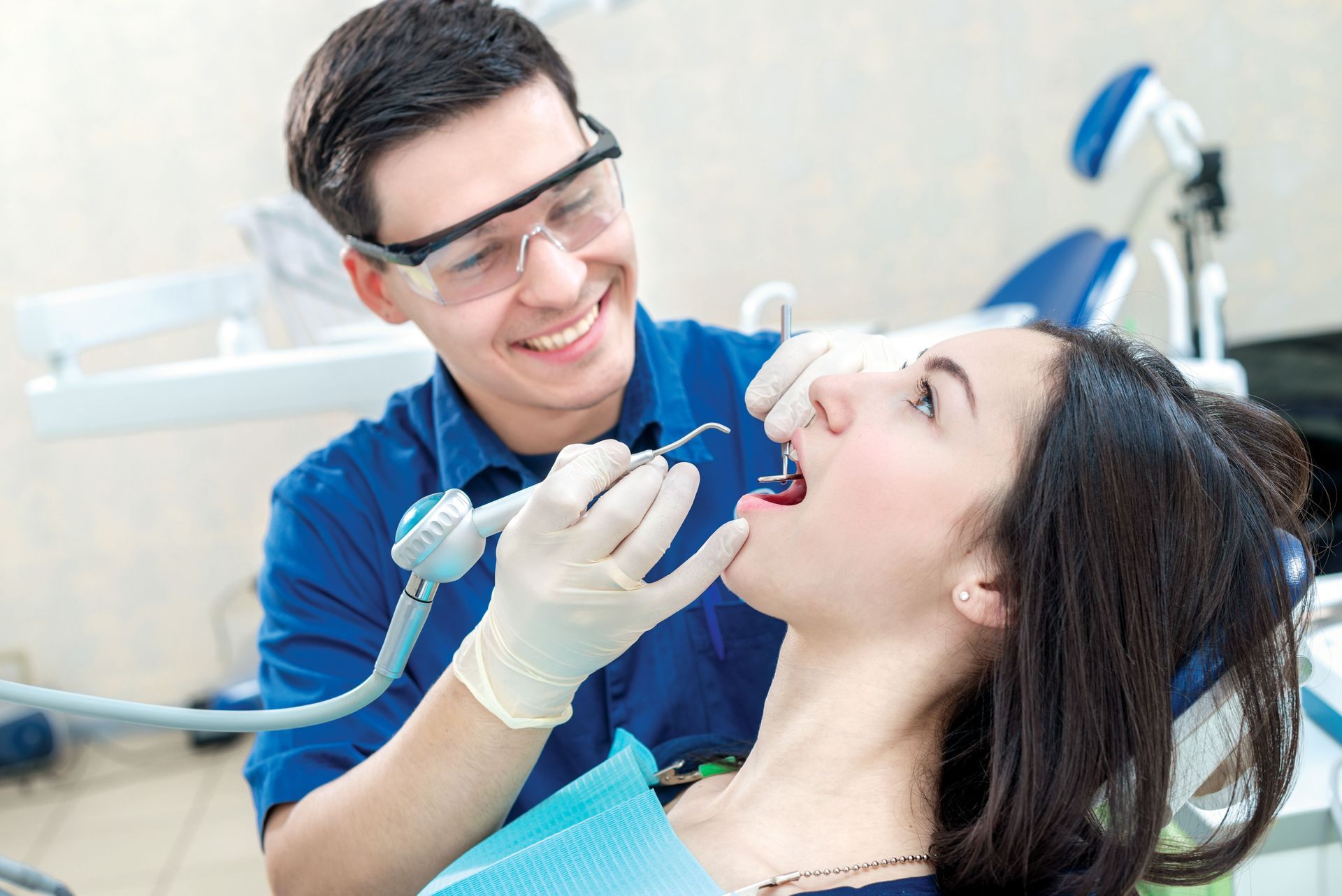
During comprehensive oral examinations, dentists perform visual inspections to identify initial signs of oral health problems. By observing the oral cavity, they can spot abnormalities that may indicate cavities or early gum disease. Soft tissues, including the gums and lips, are inspected for changes in color and texture. Hard tissues, including the teeth and supporting bone structure, are also evaluated for signs of damage or disease. This foundational technique sets the stage for further, more targeted examinations. These visual inspections also allow dentists to notice subtle changes over time, helping patients understand the gradual effects of their habits and highlighting areas that may benefit from extra attention during daily care.
Utilize Dental Instruments
Dentists use specialized instruments, such as mirrors and probes, to examine areas that are difficult to see during a routine visual inspection. Mirrors reflect light to improve visibility, while probes gently assess the surface of teeth and gums, detecting irregularities that may suggest decay. These tools complement visual assessments, allowing dentists to identify potential oral health issues early. Using these instruments carefully also gives patients a more complete understanding of their oral condition, as dentists can explain what they are observing and why certain areas require closer attention, creating a more interactive and educational experience.
Identify Signs of Decay and Damage
Early signs of tooth decay, such as white spots or subtle changes in texture, can be indicators that dentists look for during exams. By identifying these spots early, dentists can recommend preventive measures to maintain strong, healthy teeth and prevent more extensive problems. Addressing issues at this stage reduces the likelihood of requiring invasive treatments in the future. Additionally, this early identification encourages patients to take a proactive role in their oral care, offering opportunities for small adjustments in brushing, flossing, and overall dental hygiene that can have a meaningful impact on long-term oral health.
Advanced Benefits of Utilizing Dental Technology
Review Digital X-rays
Digital X-rays provide highly detailed images that help dentists detect cavities, bone loss, and other structural issues not visible to the naked eye. These images can be instantly viewed, allowing dentists to discuss potential concerns with patients right away. Digital X-rays also expose patients to less radiation than traditional radiographs, making them a safer option. In addition to aiding diagnosis, digital X-rays can be used as a reference point over time, helping patients and dentists observe changes in oral structures and monitor the effectiveness of preventive measures or treatments.
Examine Using Intraoral Cameras
These cameras are small devices that offer a close-up view of the mouth, enabling detailed examination of teeth and gums. These images help identify issues such as cracked teeth, decay between teeth, or early gum disease. Patients can view the images as well, improving understanding and communication regarding their dental health. By seeing these images themselves, patients often gain a clearer perspective on areas that need attention, which can inspire more consistent and careful oral hygiene practices at home.
Essential Importance of Patient History and Communication
Gather Comprehensive Medical Histories
Gathering medical and dental histories provides valuable insights into potential risks for oral health issues. Dentists ask about previous treatments, current medications, and medical conditions that could impact dental health. Lifestyle factors, such as smoking or diet, are also discussed to help assess risk and develop preventive care strategies. These conversations create a more complete picture of the patient's oral and overall health, helping dentists tailor guidance and recommendations to each individual's unique circumstances.
Discuss Dental Hygiene Practices
Understanding a patient's oral hygiene habits is a cornerstone of effective preventive care. Dentists inquire about daily routines, including brushing and flossing frequency, and the use of dental products. These discussions help identify areas for improvement and foster a collaborative approach to maintaining oral health. Open communication about hygiene habits also encourages patients to ask questions, learn new techniques, and feel more confident in their ability to maintain oral health at home.
Critical Benefits of Professional Cleaning and Its Diagnostic Value
Remove Plaque and Tartar
Professional cleanings remove plaque and tartar build-up that cannot be eliminated by brushing or flossing alone. Plaque and tartar can conceal early signs of dental problems, so their removal allows dentists to inspect teeth and gums more thoroughly. Regular cleanings are critical for preventing oral health issues and supporting early detection. During these appointments, dental professionals can also offer tips on brushing techniques and flossing strategies to help patients maintain the benefits of a professional cleaning between visits.
Examine Newly Exposed Surfaces
After plaque and tartar are removed, dentists can examine newly exposed surfaces for signs of cavities, gum recession, or other irregularities. Observing these areas helps detect problems at an early stage, improving long-term outcomes. These evaluations also allow patients to better understand their oral health, seeing firsthand the areas that require consistent attention and care in daily routines.
Thorough Process of Periodontal Evaluation
Probe for Pocket Depth
Dentists use a periodontal probe to measure the depth of pockets between the gums and teeth. Healthy gums typically have pockets, but deep indents may indicate gum disease. Early detection allows for timely intervention to prevent further deterioration. Regular periodontal checks help patients understand the importance of gum health and provide opportunities to address minor concerns before they become more serious.
Check Gum Tissue Consistency
Gum tissue is examined for firmness, color, and signs of inflammation or bleeding. Identifying early changes in gum health helps dentists recommend preventive or corrective treatments before issues progress. Assessing consistency also provides a visual benchmark for patients, helping them notice changes between visits and better appreciate the results of diligent oral care.
Continuous Benefits of Follow-up and Ongoing Care
Schedule Routine Exams
Routine check-ups help monitor oral health and identify new issues before they become severe. Regular exams include comprehensive assessments, imaging, and guidance to maintain long-term dental wellness. These appointments also offer patients a chance to discuss concerns, ask questions, and receive updates on the health of their teeth and gums, fostering a more engaged approach to preventive care.
Provide Personalized Recommendations
Based on evaluations and patient history, dentists provide personalized guidance on oral hygiene practices, diet, and preventive care. Tailored recommendations empower patients to maintain optimal oral health and reduce the risk of serious dental problems. Additionally, these recommendations are revisited and refined during each visit, allowing patients to gradually adopt habits and strategies that fit their routines, making it easier to sustain good oral health over the long term.
Early detection of oral health issues plays a vital role in maintaining overall dental wellness. Through comprehensive examinations, patient communication, and the use of advanced diagnostic tools, dentist help patients stay on top of our oral health. For those interested in preventive care and personalized guidance, you can learn more about the services offered at Remington Family Dental, where maintaining healthy teeth and gums is the top priority.