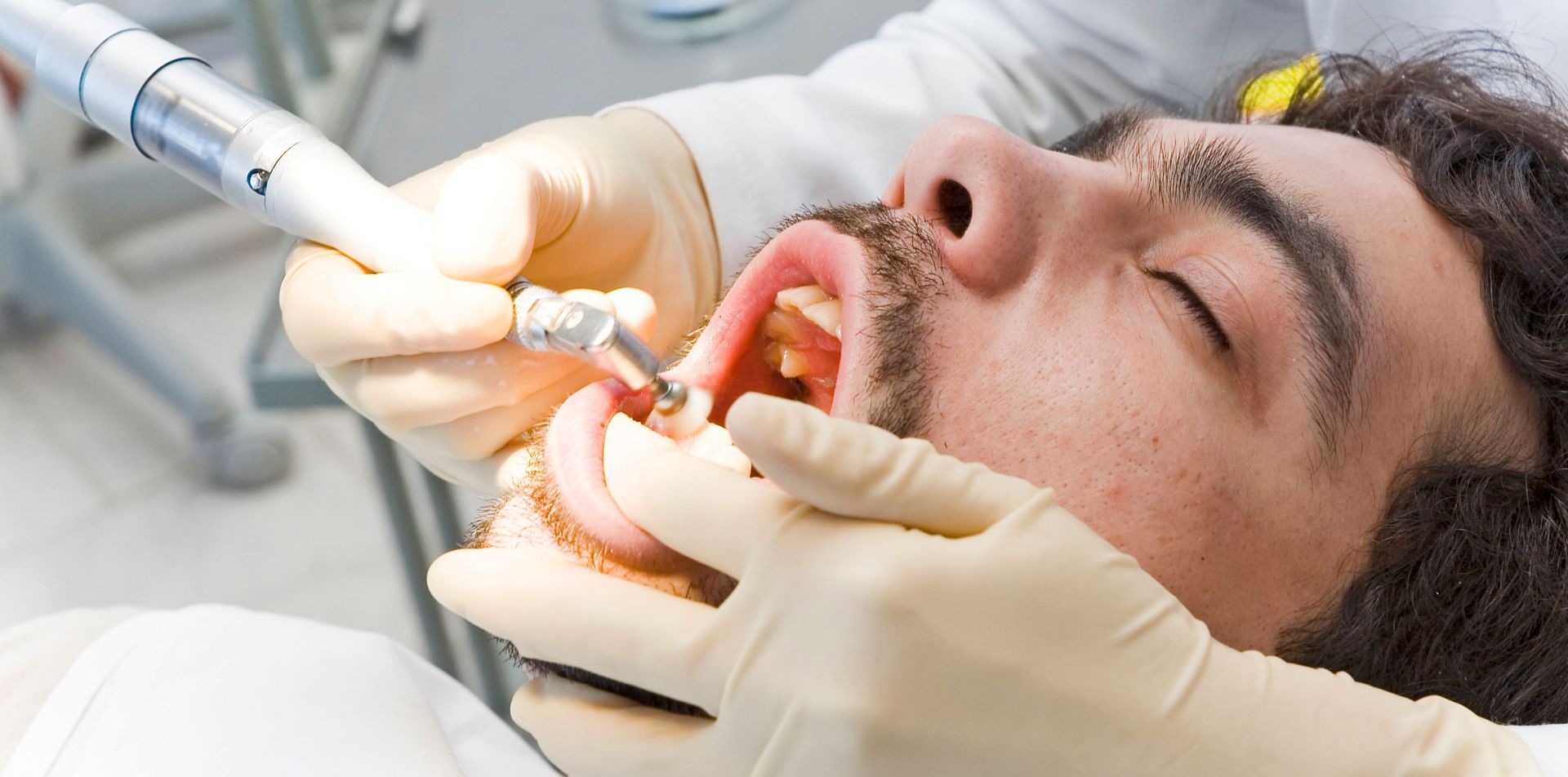
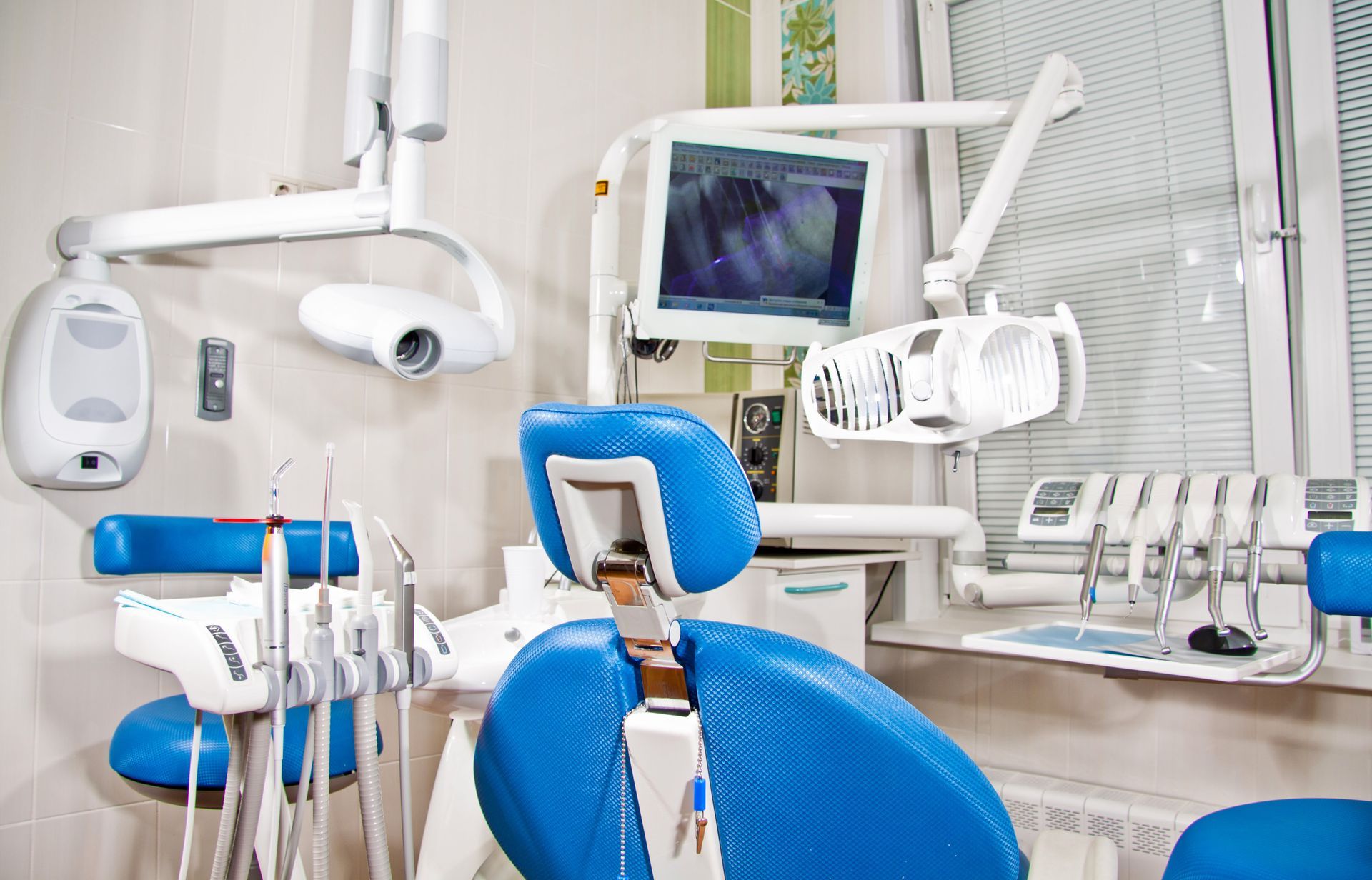
Oral surgery plays a pivotal role in modern dentistry, often serving as an essential treatment for complex dental issues that go beyond the scope of routine cleanings or fillings. While many people associate the dentist solely with preventative care, surgical interventions are critical when structural problems or diseases threaten the integrity of the mouth. Understanding when these procedures are necessary can lead to better patient outcomes and a significantly improved quality of life. From resolving chronic pain to restoring a smile, oral surgery is a foundation of comprehensive health.
A major reason to stay proactive about these treatments is the potential impact on your daily life and the broader community. Oral health is not just about aesthetics; it is a driver of overall physical health and economic stability. According to the CDC, untreated oral diseases result in almost $46 billion worth of lost productivity a year in the U.S. This staggering figure highlights why specialized emergency dental services and scheduled surgical interventions are so vital. When dental pain or infection keeps you from work, the costs extend far beyond the doctor's office.
Addressing Structural Growth and Impacted Teeth
Impacted teeth occur when a tooth fails to fully emerge through the gumline, often because there isn't enough room in the jaw. This is most common with wisdom teeth. If left alone, these teeth can push against neighbors, causing extreme pain and infection. Oral surgery to remove the obstruction is the professional standard for resolving this pressure. Modern imaging allows surgeons to map the exact path of the roots, making these procedures routine and highly predictable.
Structural abnormalities in the jaw can lead to chronic issues like temporomandibular joint disorder (TMJ), which makes chewing and speaking painful. Orthognathic surgery—or corrective jaw surgery—realigns the bones to improve bite function and facial symmetry. This is a highly technical field where 3D modeling is used to plan the movement of the jaw down to the millimeter. Correcting these anomalies early can prevent a lifetime of headaches and breathing problems like sleep apnea.
Restoring Dental Function with Permanent Implants
When a tooth is lost to trauma or decay, it can affect your ability to eat and speak clearly. Dental implants have revolutionized how we treat tooth loss. Unlike bridges, implants involve a surgical procedure where a titanium post is anchored into the jawbone to act as an artificial root. This surgery ensures a stable foundation for a prosthetic crown, providing a solution that looks and functions just like a natural tooth. It is a long-term investment in your oral health that prevents the bone loss typically associated with missing teeth.
Oral surgery is also the primary line of defense when treating oral cancer. The goal is to excise malignant cells while preserving as much healthy tissue and function as possible. This requires incredible precision and is often coordinated with other medical specialists. Early surgical intervention significantly increases survival rates. In these cases, having access to specialized emergency dental services for a rapid biopsy can be a life-saving first step in the treatment journey.
Embracing Modern Innovations and High-Tech Tools
The days of long recovery times and heavy bleeding are fading thanks to the integration of lasers and robotics. Laser surgery allows for unparalleled precision in soft tissue procedures, resulting in less swelling and faster healing. Similarly, computer-assisted robotic systems help surgeons navigate complex anatomical structures with extreme accuracy. These innovations reduce the risk of human error and ensure that incisions are as small and minimally invasive as possible.
Digital imaging has transformed pre-surgical planning. Surgeons can now create a 3D model of a patient's mouth to simulate the surgery before it even begins. This allows for the fabrication of custom-fit surgical guides, which streamlines the actual procedure and reduces time in the chair. These digital tools make oral surgery safer and more predictable, allowing patients to return to their normal, productive lives much sooner.
Preparing for the Procedure with Proper Evaluations
Before any surgery, a comprehensive evaluation is mandatory. This involves reviewing your medical history, current medications, and systemic health. This phase is about safety; identifying potential risks allows the surgical team to tailor anesthesia and recovery protocols specifically for you. A thorough diagnostic phase ensures that the surgery addresses the root cause of the issue rather than just the symptoms.
A professional surgical team places a high value on education. During your consultation, you should receive a clear breakdown of the procedure, the risks, and the expected recovery timeline. This transparency builds trust and helps manage expectations. Understanding the "why" behind the surgery empowers you to take ownership of your recovery and follow post-operative instructions more effectively, ensuring the best possible result.
Navigating the Recovery and Post-Surgical Healing
The success of oral surgery depends heavily on what happens after the procedure. Following a strict regimen of prescribed medications and salt-water rinses is essential to prevent infection. Professional clinics provide detailed instructions on managing swelling and protecting the surgical site. By staying ahead of the pain with modern anesthesia and post-op care, most patients find that recovery is much smoother than they initially feared.
Healing from surgery requires temporary lifestyle adjustments. This might include a soft-food diet, avoiding straws, and refraining from smoking. These simple but critical steps protect the delicate blood clots that are necessary for bone and tissue repair. By restructuring your daily habits during the healing phase, you protect the investment you've made in your health and ensure that the surgical outcome is permanent.
Optimizing Long-Term Outcomes through Professional Follow-Ups
The final phase of any surgical journey is the series of follow-up appointments that ensure the tissue is healing as expected. A professional team will monitor the surgical site for any signs of delayed healing or unusual inflammation that might indicate a complication. These check-ups are also the perfect time to adjust any prosthetic components, such as the temporary crowns placed on new dental implants. Having a dedicated specialist track your progress ensures that any minor setbacks are managed immediately before they can threaten the success of the surgery.
Furthermore, these post-operative visits provide a bridge back to your routine preventative care. Once the surgical site has fully matured, your surgeon will coordinate with your primary dentist to integrate the new structures into your long-term hygiene plan. This collaborative approach is what ensures that a dental implant or a corrected jaw remains functional for decades. Professional oversight doesn't end when the stitches come out; it continues until you are fully restored to optimal health and function for years to come.
Investing in your oral health through surgery is a commitment to your long-term productivity and physical comfort. From the initial 3D scan to the final follow-up appointment, modern oral surgery provides a safe and effective way to resolve complex dental challenges. If you are experiencing chronic pain or structural issues, don't wait for the problem to escalate into a crisis.
Is your smile as healthy and functional as it should be, or are you ignoring a problem that requires an expert touch? Head over to Remington Family Dental's website to browse our full list of professional service options and see how our
emergency dental services and surgical expertise can get your health back on track.