May 20, 2026
Most people think of dental care as something that protects their teeth and gums, but the mouth plays a far more significant role in overall health than many patients ever realize during routine visits. The structure of your jaw, the alignment of your teeth, the condition of your soft tissues, and the health of your airway are all interconnected systems that influence how well you breathe, especially during sleep when your body is completely at rest and unable to compensate for underlying structural or health issues. Problems like snoring, nighttime mouth breathing, and sleep apnea are not just inconveniences — they are signs that something in the oral and airway system deserves professional evaluation and attention. Understanding how a comprehensive dental practice can address the root causes of nighttime breathing difficulties opens a door to better sleep and better health that many patients never knew existed.
Recognizing the Connection Between Oral Health and Breathing
According to the CDC, about one in five adults between the ages of 20 and 64 currently have at least one untreated cavity, which speaks to how many people are managing unaddressed oral health concerns that can silently affect overall wellness in ways that extend well beyond the teeth themselves. The structural and soft tissue conditions present in the mouth directly influence how air moves through the airway during sleep, and a dental office that takes a comprehensive approach to patient health is positioned to identify those connections during routine evaluations and examinations. Inflammation from gum disease, crowding from misaligned teeth, and tissue conditions throughout the oral cavity can all contribute to breathing patterns at night that disrupt sleep quality without the patient ever realizing the source of the problem lies in their mouth.
Addressing Sleep Apnea Through Dental Treatment
Sleep apnea is a condition in which the airway repeatedly collapses or becomes obstructed during sleep, causing the person to stop breathing momentarily before the body starts breathing again, disrupting the sleep cycle in ways that compound into serious health consequences over time. A dental office that offers sleep apnea treatment can provide custom oral appliance therapy that repositions the jaw and tongue during sleep to keep the airway open, offering patients an alternative to or a complement for other commonly prescribed treatments that some patients find difficult to tolerate consistently. Custom-fitted oral appliances are designed specifically for the patient's mouth using precise measurements and professional fabrication techniques that produce a comfortable and effective device capable of meaningfully reducing the frequency and severity of apnea events throughout the night.
Improving Nighttime Breathing Through Orthodontic Alignment
The alignment of the teeth and jaw has a direct influence on how the oral structures rest during sleep, and crowding, misalignment, or jaw positioning issues can contribute to airway narrowing that makes nighttime breathing less efficient and more labored than it should be under normal resting conditions. A dental office that offers Invisalign and orthodontic solutions gives patients a path to correcting alignment issues that may be contributing to nighttime breathing difficulties in ways that also deliver cosmetic and functional improvements throughout every hour of the day. Addressing underlying alignment concerns through a clear and consistent orthodontic treatment plan improves how the jaw, teeth, and surrounding soft tissues are positioned at rest, which can reduce the degree to which the airway is compromised during the hours of sleep when the muscles throughout the body are at their most relaxed state.
Protecting the Airway With Custom Mouth Guards
Bruxism, or nighttime teeth grinding, is a condition that not only damages teeth and causes jaw pain but also contributes to poor sleep quality by keeping the muscles of the jaw and face in a state of tension that disrupts restful breathing throughout the night. A dental office that provides custom mouth guards gives patients a professionally fitted appliance that cushions the teeth from grinding forces while also supporting the jaw in a position that reduces muscle tension and promotes more relaxed and natural breathing throughout the night. Custom-fitted guards are significantly more effective than over-the-counter alternatives because they are shaped precisely to the patient's bite and jaw structure, which ensures the device actually fits correctly and does not create the additional discomfort and shifting that poorly fitted store-bought products often cause for the patients who attempt to use them.
Treating Gum Disease to Reduce Airway Inflammation
Periodontal disease creates a state of chronic inflammation throughout the oral tissues that does not stay contained to the gums alone — the inflammatory processes involved in untreated gum disease have been linked to systemic effects that can influence the tissues of the airway and contribute to the kind of soft tissue swelling that narrows the passage through which air must travel during sleep each night. A dental office that offers gingivitis treatment and gum disease treatment addresses this inflammation at its source, reducing the bacterial load and tissue damage that drive chronic oral inflammation and creating a healthier oral environment that supports better overall airway health. Patients who pursue consistent periodontal care over time consistently experience improvements in gum health that translate into reduced tissue swelling, which is a meaningful contributing factor to how freely and comfortably air moves through the airway during the nighttime hours.
Using Digital X-Rays to Identify Structural Contributors
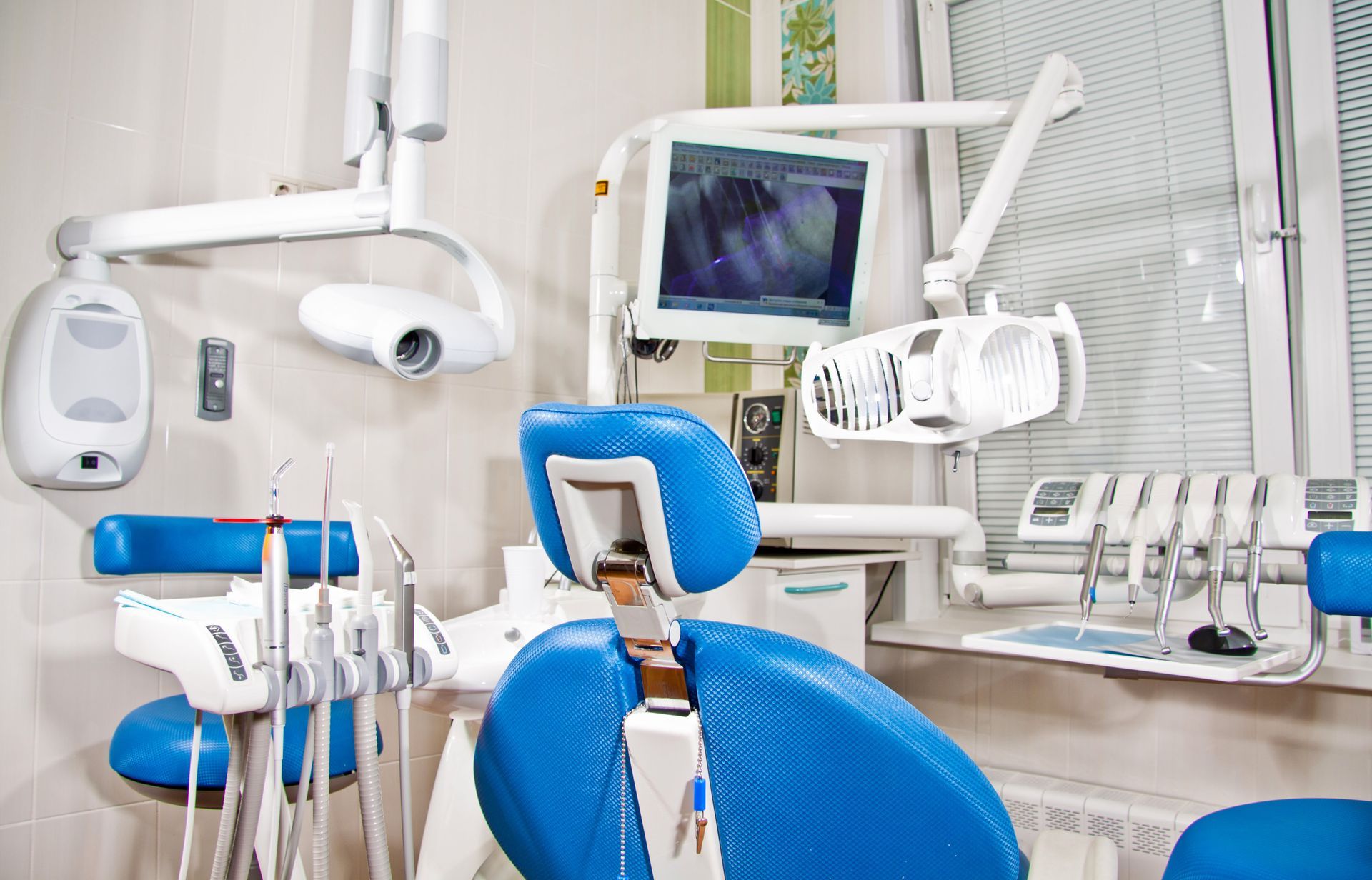
Structural issues that affect nighttime breathing are not always visible during a standard clinical examination, and digital X-ray imaging gives dental professionals a detailed view of the jaw, teeth, and surrounding bone structures that can reveal concerns contributing to airway narrowing or obstruction that would otherwise go undetected until symptoms become significantly more pronounced. A dental office equipped with digital X-rays can identify jaw positioning issues, bone density changes, impacted teeth, and other structural factors that influence how the airway functions during sleep in ways that inform both the diagnosis and the treatment planning process for each patient. Early identification of structural contributors through precise imaging allows the care team to intervene before the related breathing issues progress to a level where they are causing serious and measurable health consequences for the patient experiencing them.
The relationship between oral health and nighttime breathing is more direct and more significant than most patients realize, and the right dental practice is equipped to identify, evaluate, and treat the underlying conditions that compromise how well a person breathes during sleep. From sleep apnea treatment and orthodontic alignment to gum disease care, custom mouth guards, and preventive services that maintain the oral environment over time, every component of comprehensive dental care contributes to a healthier airway and a more restful night. Choosing a practice that takes the whole-health perspective seriously and offers the full range of services needed to address both everyday oral health and its deeper connections to sleep and breathing makes all the difference in the care you receive and the outcomes you experience over time. Remington Family Dental has proudly served patients throughout Billings, MT and surrounding areas since 2005, offering sleep apnea treatment, general and preventive dentistry, sedation dentistry, orthodontics, periodontal and gum care, restorative dentistry, oral surgery, and emergency dental services, all backed by over 40 years of combined dental experience, flexible scheduling, affordable financial options, and a warm and welcoming environment designed to put every patient at ease from the very first visit. For more information, contact us today!