August 21, 2026
Navigating oral health issues can be stressful, especially when unexpected pain or damage occurs outside of a routine checkup. Understanding whether a dental problem requires immediate medical intervention or can be deferred to a standard appointment is essential for protecting your health and avoiding unnecessary trips to the emergency room. Sudden toothaches, cracked enamel, and bleeding gums often trigger immediate anxiety, making it difficult to judge the urgency of the situation. Knowing how to assess your symptoms accurately ensures that you receive timely care when every minute counts, while also helping you manage minor issues calmly at home until a regular office visit can be scheduled.
Recognizing Severe Pain and Uncontrolled Bleeding
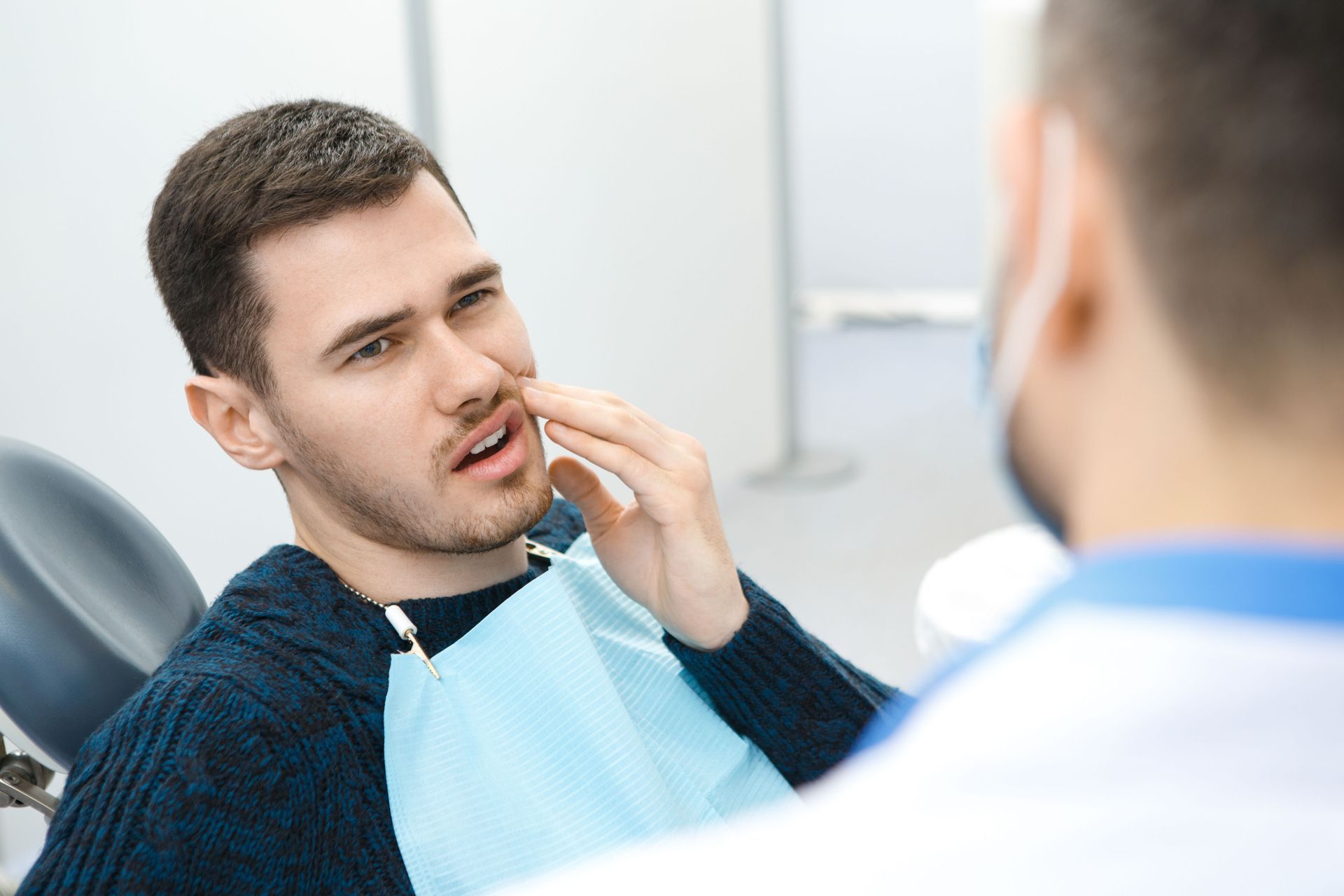
Severe, unbearable tooth pain is often the primary indicator that a situation requires immediate professional attention. When oral pain becomes debilitating, throbbing relentlessly, or radiating through your jaw, head, and neck, it typically signals a deep infection or nerve damage. Pain of this intensity rarely resolves on its own and often worsens rapidly. In these critical moments, emergency care from experienced dentists is necessary to diagnose the underlying cause, provide targeted pain relief, and perform procedures like root canals or extractions to eliminate infection.
Uncontrolled bleeding from the mouth is another definitive sign of a true medical emergency. While mild bleeding after brushing or flossing can occur, heavy, continuous bleeding following an injury, trauma, or recent surgical procedure demands urgent intervention. Persistent bleeding that does not slow down after applying direct pressure with a clean gauze pad for twenty minutes can lead to excessive blood loss and indicates damaged blood vessels or severe tissue trauma that requires immediate clinical suturing and stabilization.
Handling Traumatic Dental Injuries
Physical trauma from sports injuries, accidents, or falls frequently causes sudden damage to the mouth that requires urgent care. A completely knocked-out tooth, known medically as an avulsed tooth, represents one of the most time-sensitive emergencies in oral healthcare. When a permanent tooth is fully dislodged from its socket, the surrounding nerves, blood vessels, and tissues suffer severe trauma. The chances of successfully re-implanting the tooth decrease dramatically after sixty minutes, making immediate action and quick contact with emergency dentists vital for saving your natural smile.
Similarly, teeth that have been severely cracked, fractured, or pushed out of alignment during an accident require prompt evaluation. Severe fractures that expose the inner pulp chamber leave delicate nerve endings exposed to ambient air, bacteria, and temperature shifts, causing severe discomfort and elevating the risk of deep infection. Aligning and stabilizing loose or displaced teeth quickly can prevent permanent loss and help preserve the surrounding jawbone structure.
Identifying Signs of Advanced Infections and Abscesses
A dental abscess is a localized collection of pus caused by a bacterial infection within the inner chamber of a tooth or the surrounding gum tissue. Abscesses represent serious health threats because the bacteria can easily spread to adjacent facial tissues, the bloodstream, or the brain if left untreated. Visible signs of an abscess include a pimple-like bump on the gums, significant swelling in the face or cheek, a foul taste in the mouth, and a persistent fever. Prompt treatment from qualified dentists prevents the infection from progressing into a life-threatening systemic condition.
Swelling that extends into the jawline, neck, or throat is a major warning sign that requires urgent medical intervention. When an infection spreads toward the airway, it can interfere with swallowing and breathing, posing an immediate physical hazard. If facial swelling is accompanied by high fever, difficulty opening the mouth, or trouble breathing, seeking emergency care immediately is critical to control the spread of bacteria and ensure airway safety.
Managing Mild Discomfort and Minor Enamel Chips
While severe pain and major trauma demand immediate action, many common oral health concerns are minor enough to wait for a standard appointment during regular business hours. A small chip or minor crack in the enamel that causes no physical discomfort is generally not an immediate emergency. As long as there are no sharp edges cutting your tongue or inner cheek, a minor cosmetic chip can easily wait a few days for a cosmetic fix, though you should still schedule a consultation so dentists can smooth the edge and ensure the structural integrity of the tooth remains intact.
Mild sensitivity to hot, cold, or sweet foods is another common occurrence that usually does not require late-night care. Temporary sensitivity often stems from minor enamel erosion, receding gums, or a worn restoration rather than an active, spreading infection. Using a toothpaste formulated for sensitive teeth and avoiding extreme temperature triggers can manage the mild discomfort effectively until your next scheduled checkup.
Addressing Loose Restorations and Food Blockages
Losing a filling, crown, or bridge can feel alarming, but it rarely constitutes a true emergency unless accompanied by severe pain or sharp metal edges. When a restoration comes loose or falls out, the underlying tooth structure becomes temporarily exposed and may feel sensitive to air or chewing pressure. In most cases, keeping the area clean, avoiding chewing on that side of the mouth, and using over-the-counter temporary dental cement will protect the tooth safely for a few days until your primary care provider can fit you in for a permanent repair.
Food particles, popcorn hulls, or small debris lodged tightly between teeth can sometimes cause localized soreness and tissue inflammation that mimics a major toothache. Before assuming the worst, gently attempt to dislodge the trapped object using standard dental floss. Applying excessive force or using sharp metal tools should always be avoided, as this can severely damage the surrounding gums. If flossing gently removes the debris and the discomfort subsides, the issue is resolved without needing urgent intervention.
Understanding Chronic Conditions and Routine Maintenance
Chronic oral issues, such as minor gum bleeding during daily hygiene routines, require professional management but do not constitute immediate emergencies. According to the CDC, about 46% of adults age 30 and older show signs of gum disease. While early-stage gum disease, known as gingivitis, causes inflammation, tenderness, and light bleeding, it develops slowly over time. These symptoms signal the need to improve home care routines and schedule a thorough professional cleaning with local dentists, rather than seeking immediate after-hours treatment.
Similarly, dull, long-standing aches, minor jaw clicking, or mild irritation from orthodontic appliances are best handled through routine scheduling. Unless an orthodontic wire has broken and pierced soft tissue, minor bracket looseness or general soreness following an adjustment can be managed with dental wax and temporary pain relievers. Recognizing the distinction between chronic, slow-developing conditions and acute, rapidly worsening trauma empowers patients to seek the appropriate level of care at the right time.
Preparing for Unexpected Issues and Seeking Professional Guidance
Being prepared for unexpected oral health issues reduces panic and helps you take logical, effective steps when an issue arises. Keeping a basic kit on hand containing sterile gauze, a small container with a tight lid, temporary filling material, and over-the-counter pain relievers ensures you are ready to handle minor mishaps at home. Having the emergency contact details for your primary clinic readily available allows you to call for professional advice whenever you feel uncertain about the severity of your symptoms.
When in doubt, reaching out to established dentists via phone is always the best course of action. Dental office staff are trained to triage symptoms over the phone, helping you determine whether your condition demands an immediate trip to the clinic or if simple at-home measures will safely carry you through to the next open appointment. Clear communication with your care team ensures that true emergencies are addressed swiftly. At the same time, non-urgent concerns are handled methodically, protecting both your long-term health and your peace of mind.
Distinguishing between a true dental emergency and a minor issue that can wait ensures you receive timely, effective care while avoiding unnecessary stress. Severe pain, persistent bleeding, knocked-out teeth, and spreading infections require immediate professional attention to preserve your oral health and safety. Conversely, minor chips, mild sensitivity, and lost fillings can generally be managed safely at home until a standard appointment. If you are experiencing unexpected oral pain or are unsure about your symptoms, contact Remington Family Dental today to speak to expert dentists and get the expert care and guidance you need.