July 20, 2026
Managing the oral health of a developing child requires a fundamentally different clinical and behavioral approach than treating fully mature adults. A child's mouth is a dynamic, rapidly changing environment where primary teeth guide the eventual eruption of permanent structural dentition. Because pediatric oral anatomy is uniquely vulnerable to aggressive decay and developmental misalignments, specialized preventative interventions are absolutely mandatory. Furthermore, early clinical experiences establish a psychological foundation that shapes a person's relationship with healthcare providers for the rest of their lives. Leaving your family's smiles to a dedicated children's dentist ensures that your young ones receive highly specialized, compassionate, and age-appropriate care.
Understanding Primary Tooth Anatomy and Development
Analyzing the structural differences between primary and permanent teeth reveals why pediatric clinical management requires specialized training. Baby teeth possess significantly thinner enamel layers and larger internal nerve chambers than adult teeth, allowing decay to penetrate deep into the pulp with alarming velocity. This rapid progression means a tiny surface cavity can transform into a painful, complex root infection within a matter of weeks. Maintaining these primary structures is absolutely vital, as they preserve the exact physical space necessary for future adult teeth to emerge straight. A specialized children's dentist monitors this developmental timeline closely, ensuring that premature tooth loss does not derail proper jaw alignment.
Managing Dental Anxiety and Behavioral Dynamics
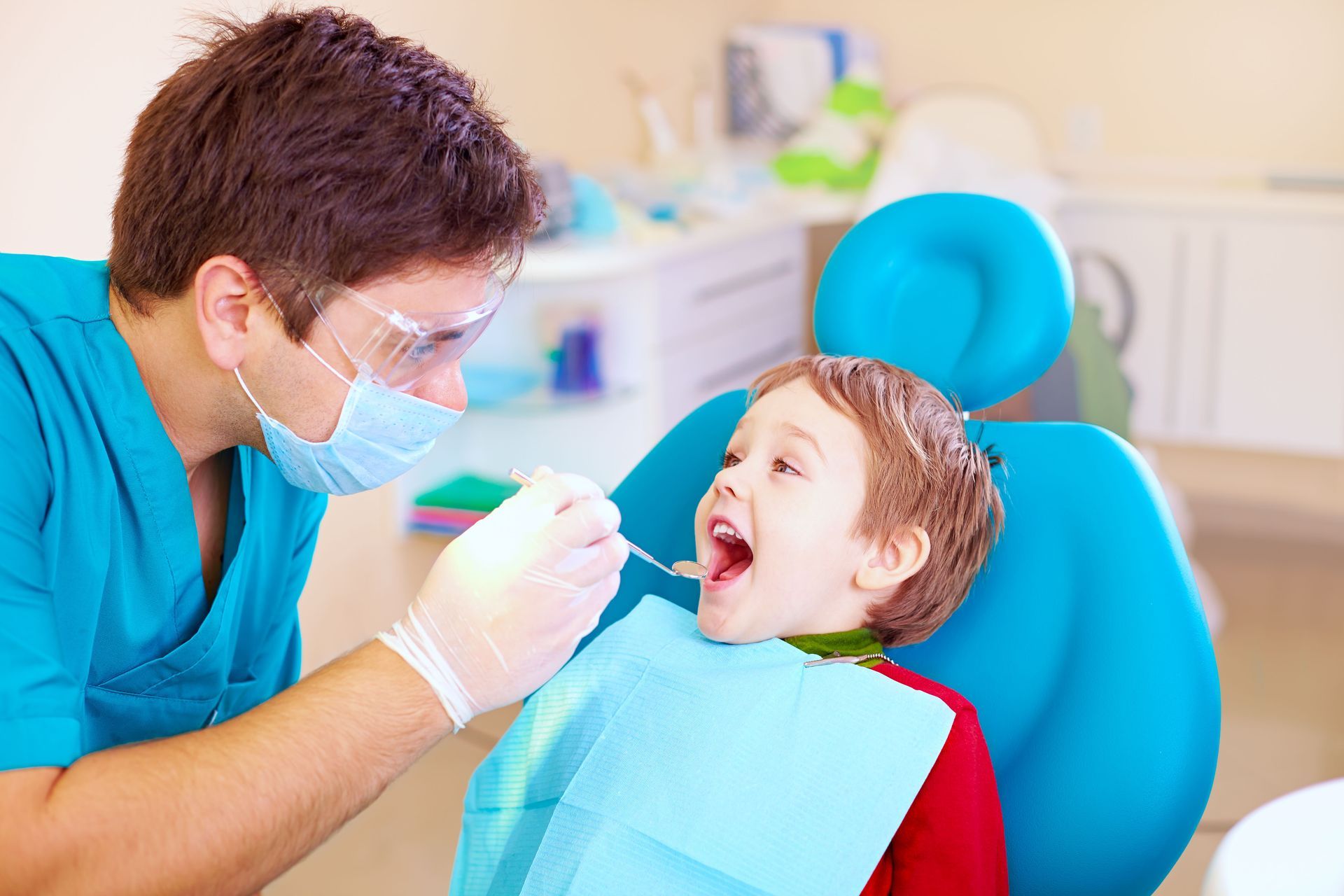
Transforming a potentially terrifying clinical setting into a whimsical, stress-free environment is a hallmark of premium pediatric oral medicine. Young patients lack the cognitive maturity to rationalize noisy mechanical drills, sharp instruments, and long periods of physical immobility in a scary chair. Pediatric clinicians utilize specialized psychological techniques, such as the famous "Tell-Show-Do" method, to demystify complex medical equipment before starting any treatment. Building a warm rapport during early toddler visits effectively neutralizes dental phobias before they can solidify into lifelong medical anxieties. Bringing your child to an experienced children's dentist ensures a gentle, patient-centric approach tailored specifically to fragile, youthful temperaments.
Implementing Protective Sealants and Fluoride Varnishes
Shielding highly vulnerable young molars from aggressive acid attacks requires the strategic application of advanced, non-invasive preventative barriers. The deep pits and narrow fissures running across the chewing surfaces of newly erupted permanent molars are practically impossible for thick toothbrush bristles to clean effectively. Microscopic food particles and sticky plaque bacteria collect in these hard-to-reach valleys, creating a prime breeding ground for structural decay. Applying a clear, biocompatible resin coating seals these vulnerable areas completely, creating a smooth surface that repels food and debris. A proactive children's dentist routinely applies these protective sealants to maximize your child's defenses against cavities.
Intercepting Structural Malocclusions and Spatial Issues
Monitoring the growth patterns of the jawbone allows clinicians to intercept severe structural misalignments before they require complex skeletal surgeries. Early childhood habits, such as prolonged thumb-sucking, tongue-thrusting, or extended pacifier use, can exert excessive physical pressure on soft developing bone matrices. These continuous forces can easily warp the upper palate, push front teeth forward, and create severe open bites that disrupt proper speech and chewing. Identifying these issues during active growth phases allows for simple, non-invasive orthopedic guidance, such as palatal expanders or space maintainers. Partnering with a forward-thinking children's dentist ensures developmental anomalies are corrected gracefully.
Educating Families on Nutritional Habits and Sugar Exposure
Guiding parents through the complexities of modern pediatric nutrition is essential for maintaining a pristine, cavity-free oral environment at home. Many well-meaning families are unaware that hidden sugars found in organic fruit juices, sticky fruit snacks, and processed crackers feed acid-producing oral bacteria. It is the frequency of sugar exposure rather than the total volume consumed that inflicts the most severe damage on fragile developing enamel. Providing practical strategies, such as substituting water for sugary beverages and limiting snacking intervals, empowers parents to protect their kids. An educational children's dentist serves as a vital resource for establishing healthy dietary baselines.
Addressing Adolescent Enamel Challenges and Lifestyle Shifts
Transitioning into the teenage years introduces a completely new set of oral health challenges, ranging from poor dietary independence to hormonal fluctuations. Adolescents frequently neglect their hygiene routines due to busy academic schedules, sports commitments, and the increasing consumption of highly acidic energy drinks. This dangerous combination of poor habits can lead to a sudden spike in untreated decay precisely when permanent teeth are finishing their development. According to the CDC, about 10% of adolescents aged 12–19 years had at least one permanent tooth with untreated decay. Seeking consistent guidance from a children's dentist during this vulnerable transitional phase keeps teenagers accountable.
Fabricating Custom Athletic Mouthguards for Youth Sports
Protecting young smiles from sustaining catastrophic structural trauma during high-impact sports activities is a major priority for active families. A sudden blow from a stray baseball, flying hockey stick, or collision on the soccer field can instantly fracture enamel, loosen roots, or completely avulse permanent teeth. Cheap, over-the-counter mouthguards often fit poorly, making it difficult for young athletes to breathe comfortably and speak clearly with their teammates. A customized athletic mouthguard fabricated by a professional kids' dentist offers superior impact absorption, fits snugly over orthodontic braces, and provides maximum neurological protection against sports-related concussions.
Mastering Specialized Pediatric Restoration Techniques
Repairing decayed primary teeth requires unique materials and moisture-control methodologies that differ substantially from traditional adult restorative protocols. Because children struggle to remain perfectly still for extended periods, pediatric procedures must be executed with incredible speed and absolute precision. Clinicians utilize specialized pediatric crowns, often made of durable white zirconia or stainless steel, to completely cap heavily broken primary teeth. These robust restorations endure intense daily chewing forces until the underlying permanent tooth is naturally ready to erupt. Relying on a qualified kids' dentist ensures that pediatric fillings are placed using advanced materials that release enamel-strengthening ions.
Recognizing Systemic Connections and Childhood Sleep Apnea
Identifying the structural warning signs of pediatric sleep-disordered breathing during routine oral examinations is a vital component of modern comprehensive healthcare. Narrow dental arches, severe tongue-ties, enlarged tonsils, and retruded jaw positions can actively restrict a child's airway during sleep, leading to chronic snoring and fragmented rest. Children suffering from poor oxygen saturation often display behavioral symptoms that mimic ADHD, such as chronic daytime fatigue, irritability, and poor academic focus. A highly trained kids' dentist can detect these anatomical red flags early, working in tandem with ENT specialists to restore healthy breathing patterns.
Transitioning Patients Gradually to Adult Dental Care
Guiding an older teenager through the final phase of pediatric care ensures a smooth, successful transition into the world of adult general medicine. As the jaw finishes growing and wisdom teeth begin their final eruption sequence, oral health needs shift from developmental guidance to long-term structural maintenance. Preparing an adolescent to manage their own appointments, understand insurance coverage, and maintain excellent independent hygiene is the final goal of pediatric dentistry. A compassionate kids' dentist will gracefully graduate your teenager when they reach physical maturity, ensuring they possess the skills and confidence to maintain a beautiful, healthy smile for life.
Prioritizing specialized pediatric dental care stands as one of the most impactful investments you can make for your child's lifelong physical well-being. From managing early childhood behavioral anxieties to implementing advanced sealants and intercepting severe orthodontic misalignments, a dedicated pediatric practice addresses challenges that adult clinics are simply not equipped to handle. By shielding fragile primary enamel and guiding teenagers through vulnerable lifestyle shifts, you successfully insulate your family from painful future medical crises. Establishing a permanent relationship with an elite kids' dentist ensures that your child grows up with a radiant, functional, and completely healthy smile. Are you seeking a professional childrens dentist in the Billings, MT region? Look no further than the expert dentists at Remington Family Dental! Call today to schedule an appointment.